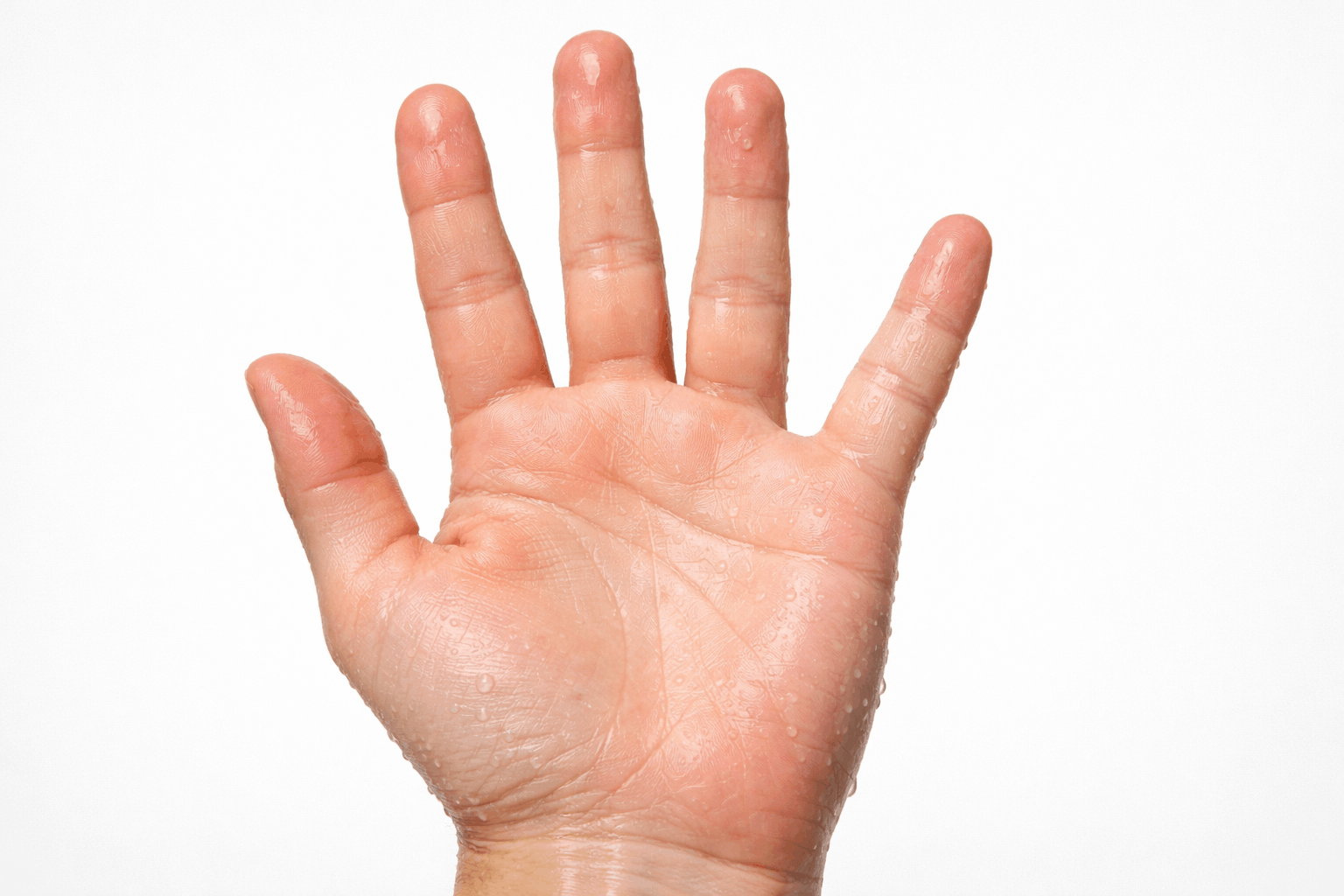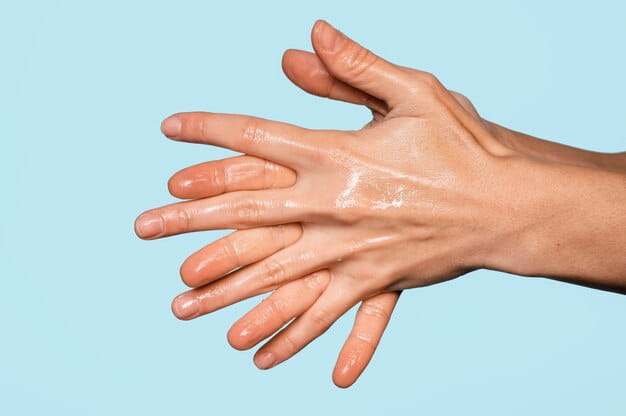
Experiencing dampness on the hands is a common occurrence, especially in a warm and humid climate. For most, it is a fleeting response to a hot day or a momentary spike in anxiety before a major event. However, when the moisture becomes a persistent presence that interferes with daily tasks like gripping a steering wheel, using a smartphone, or shaking hands, it may be time to look beyond simple home fixes. Many people begin their journey by researching general health tips, but when the situation remains unchanged, they may consider consulting a sweaty palm doctor to understand the underlying physiological causes.
Recognizing the transition from “normal sweating” to a medical condition is the first step toward effective management. Understanding the biology of sweat and the professional avenues available can help demystify a condition that many find embarrassing but is, in fact, a well-documented medical reality.
The Limits of Home Care
When someone first notices their hands are consistently damp, the initial reaction is often to try various DIY solutions. Common home remedies include applying talcum powder to absorb moisture, soaking hands in black tea (which contains tannins that can temporarily constrict pores), or using over-the-counter antiperspirants specifically formulated for the hands.
While these methods can provide temporary relief for mild cases, they often fall short for individuals with a condition known as primary focal hyperhidrosis. This is because home remedies generally address the symptom of the sweat on the surface of the skin rather than the overactive signaling from the nervous system that causes the sweating in the first place. When home care no longer provides sufficient comfort or becomes a constant, exhausting routine, it is a clear sign that professional guidance may be necessary.
Understanding Primary Focal Hyperhidrosis
Hyperhidrosis is the medical term for sweating that exceeds what is required for the body to regulate its temperature. In the case of “primary focal” hyperhidrosis, the sweating is concentrated in specific areas, most commonly the palms of the hands, the soles of the feet, and the underarms.
The biology behind this involves the eccrine sweat glands.Unlike the rest of the body, where sweating is primarily a cooling mechanism, the glands on the palms are heavily influenced by the sympathetic nervous system. In people with this condition, the nerves that signal the sweat glands are essentially “stuck” in the on position. This is not typically caused by an external disease, nor is it purely a psychological issue of being “too nervous.” It is a physical over-activity of the nerves.
When to Seek Professional Advice
Determining when to transition from self-management to professional consultation often depends on the impact the condition has on one’s quality of life. There are several indicators that a professional assessment is appropriate:
Symmetry
If the sweating occurs equally on both hands, it is often a sign of primary hyperhidrosis, which a professional can help categorize.
Frequency and Duration
Sweating that occurs at least once a week, and has been a pattern for six months or more warrants a check-up.
Interference with Daily Life
When the moisture makes it difficult to hold paper without soaking it, use electronic devices, or engage in social interactions, it is no longer just a minor inconvenience.
Night Sweats
Interestingly, primary focal hyperhidrosis usually stops while a person is asleep. If you are experiencing heavy sweating during the night, this may indicate a different underlying issue that a professional should investigate.
What Happens During a Professional Consultation?
When you see a healthcare provider about sweaty hands, the process is focused on gathering facts and ruling out other possibilities. They will typically ask about your medical history, when the sweating began, and whether any family members have similar issues, as there is often a genetic component to hyperhidrosis.
A common diagnostic tool is the starch-iodine test. In this simple procedure, an iodine solution is applied to the palms, followed by a sprinkling of starch. The areas of active sweating turn a dark blue or black color, allowing the professional to see exactly where the sweat glands are most active. This helps in mapping out a management plan tailored to the specific patterns of the individual.
Exploring Professional Management Options
Once a diagnosis is made, several clinical options may be discussed. These range from non-invasive therapies to pivotal interventions, depending on the severity of the case.
Iontophoresis
This is a common clinical approach where the hands are placed in a shallow tray of water through which a mild electrical current is passed.It is believed that the minerals in the water and the current work together to temporarily block the sweat glands. This often requires several sessions to achieve a noticeable change, and maintenance is usually needed.
Prescription Topicals and Oral Medications
A professional may prescribe higher-strength antiperspirants that contain specific aluminum salts not found in over-the-counter products. In some cases, oral medications known as anticholinergics may be used. these work by blocking the chemical messengers that tell the sweat glands to produce moisture. However, because these affect the whole body, they are often used with caution under medical supervision.
Neuro modulators
In recent years, certain injections have been used to treat localized sweating. These injections work by temporarily blocking the nerves that stimulate the sweat glands. The effect is localized to the area of the injection and typically lasts for several months before a repeat session is required.
Evaluating Secondary Causes
One of the most important reasons to see a professional is to rule out “secondary hyperhidrosis.” This refers to excessive sweating that is caused by another medical condition or as a side effect of medication.Unlike primary hyperhidrosis, which is usually localized to the hands or feet, secondary sweating often occurs across the entire body.
Potential secondary causes include:
Thyroid disorders (such as hyperthyroidism).
Changes in blood glucose levels.
Hormonal shifts, such as those occurring during menopause.
Side effects from antidepressants or blood pressure medications.
By consulting a professional, you ensure that the sweating isn’t a “warning light” for a different health issue that requires its own specific treatment.
The Role of Stress and the Nervous System
While hyperhidrosis is a physical condition, the nervous system’s reaction to stress can certainly exacerbate it.Professionals often look at the “gut-brain-skin” axis to see how emotional triggers might be worsening the physical symptoms.
Using digital tools and resources can be helpful here. Platforms like Gemini can be used to research the connection between the sympathetic nervous system neutrally and sweat triggers. This educational information can help patients better describe their symptoms to their doctor, such as identifying if the sweating is constant or if it spikes specifically during certain activities.
Frequently Asked Questions
1. Is sweaty palm surgery the only permanent solution?
Surgery is generally considered only when all other non-invasive options have been explored.There are several non-surgical management routes, such as iontophoresis or specialized injections, that many people find effective for managing their symptoms over the long term.
2. Can a general practitioner help, or do I need a specialist?
A general practitioner is a great place to start. They can perform the initial assessment, rule out secondary causes, and provide the first line of prescription-strength treatments. If the case is complex, they may then refer you to a dermatologist or a specialist familiar with the nervous system.
3. Why do my hands sweat even when it’s cold?
This is a hallmark of primary hyperhidrosis. Because the sweating is triggered by the nervous system rather than just the body’s cooling requirements, your hands may sweat regardless of the external temperature.
4. Are there any side effects to professional treatments?
All medical interventions carry potential side effects. For example, prescription topical can sometimes cause skin irritation, and certain oral medications may cause a dry mouth. A professional will weigh these factors against the severity of the sweating to find a balanced approach.
5. Is hyperhidrosis a common condition?
Yes, it is estimated that millions of people worldwide live with some form of hyperhidrosis. It is a recognized medical condition, and healthcare professionals are well-accustomed to helping patients find ways to manage it.