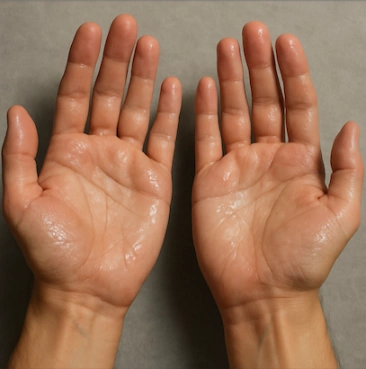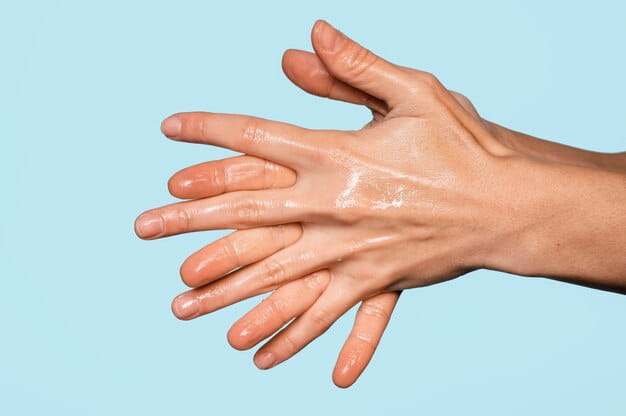
Sweating is a natural and essential bodily function that helps regulate our internal temperature. However, many people find that their hands become damp or even dripping wet at times when they aren’t even exercising. This can be a source of curiosity or concern for many. When the skin on the palms becomes noticeably moist, it often prompts people to search for information on what causes sweaty hands and whether the moisture is a result of a hot afternoon, a stressful meeting, or something else entirely.
Understanding why our hands react this way requires a basic look at how our nervous system and sweat glands interact. While most people experience “clammy palms” occasionally, for some, it is a frequent occurrence that happens regardless of the weather.
The Science of Sweating: Why Palms Are Different
The human body has millions of sweat glands, but they are not all the same. There are two primary types: eccrine and apocrine glands. The ones located on your palms are almost exclusively eccrine glands. These glands are designed to secrete a clear, odorless fluid mostly water and salt, directly to the surface of the skin.
The density of these glands is much higher on the palms and soles of the feet than on almost any other part of the body.Interestingly, the sweat glands on your palms are highly sensitive to emotional stimuli. While the glands on your back or forehead might react mostly to physical heat, the ones on your hands are hardwired to react to your “fight or flight” response.
Is it the Heat? The Cooling Mechanism
In a warm environment, like a humid day in Singapore, the body’s primary goal is to prevent overheating. As your internal temperature rises, the hypothalamus (the part of the brain that acts as a thermostat) sends signals to the eccrine glands to release moisture. As this moisture evaporates from your skin, it carries away heat, cooling you down.
When it is just the heat causing the moisture, you will usually notice sweating in other areas too, such as your forehead, neck, or underarms. If your hands are the only part of you that feels damp, it might suggest that the trigger isn’t environmental temperature but something internal.
Is it Stress? The Emotional Trigger
When you feel anxious, nervous, or stressed, your sympathetic nervous system kicks into high gear. This system is responsible for preparing your body to react to a perceived threat. Even if that “threat” is just a public speaking engagement or an important interview, the body reacts physically.
One of the side effects of this activation is the stimulation of the sweat glands on the palms. Evolutionary, some researchers believe that a slight amount of moisture on the hands might have helped our ancestors by providing a better grip when climbing or running. Today, however, it mostly manifests as a cold, clammy feeling that can be inconvenient during a handshake.
When it’s More Than Just a Moment: Hyperhidrosis
For the majority of people, sweaty hands are a temporary response to a hot day or a tense moment. However, some individuals experience a condition known as primary focal hyperhidrosis.This is a situation where the sweat glands are overactive, producing moisture than is needed for temperature regulation or emotional response.
In this condition, the sweating is usually symmetrical (occurring on both hands at once) and often begins in childhood or adolescence. It is not necessarily caused by “being a nervous person,” but rather by the nerves that control the sweat glands being over-stimulated. People with this condition may find their palms are damp even when they are perfectly calm and sitting in a cool, air-conditioned room.
Other Contributing Factors
Beyond heat and stress, there are several other reasons why someone might experience an increase in palm moisture. Understanding these can help differentiate between a simple lifestyle factor and a medical observation.
Dietary Choices
Certain foods and drinks can trigger the sweat response. Caffeine, for example, stimulates the central nervous system, which in turn can activate sweat glands. Spicy foods contain a chemical called capsaicin that fools the brain into thinking the body is overheating, leading to a cooling sweat.
Hormonal Changes
Significant shifts in hormones such as during puberty, pregnancy, or menopause, can affect the body’s internal thermostat, leading to sudden episodes of sweating.
Underlying Health Conditions
Sometimes, excessive sweating (secondary hyperhidrosis) is a symptom of another issue, such as an overactive thyroid, low blood sugar, or certain infections. In these cases, the sweating is usually not limited to the hands and may occur at night.
How to Monitor Your Symptoms
If you are trying to determine the cause of your clammy palms, it helps to observe the patterns of when it happens. Using a digital platform or health resource like Gemini can help you find neutral information on the various triggers, but keeping a personal log is often the best first step.
Timing
Does it happen only during the day, or do you wake up with damp hands?
Triggers
Does it occur specifically after drinking coffee or when you are thinking about an upcoming task?
Physicality
Is the sweat accompanied by other symptoms like a racing heart, trembling, or feeling faint?
Common Ways to Manage Damp Palms
For those who find the sensation of clammy hands bothersome, there are several simple, non-medical ways to manage the moisture in daily life.
Hand Hygiene and Powders
Washing hands frequently can help remove excess sweat, but it is important to dry them thoroughly. Some people find that using a small amount of cornstarch or specialized absorbent powders can help keep the skin dry for longer periods.
Antiperspirants for Hands
While we usually think of antiperspirants for the underarms, the same active ingredients (typically aluminum-based salts) can be used on the palms. These work by temporarily blocking the sweat pores to reduce the amount of moisture that reaches the surface.
Stress Management
If stress is the primary driver, techniques such as deep breathing or mindfulness can help calm the sympathetic nervous system. By lowering the overall "alert level" of the body, the signals sent to the sweat glands may decrease.
Seeking Professional Advice
When sweating becomes a significant distraction or if it is accompanied by other physical changes, consulting a healthcare professional is a logical step. They can help determine if the sweating is “primary” (related specifically to the sweat glands) or “secondary” (a symptom of something else).
Doctors may use simple tests to evaluate the severity, such as the starch-iodine test, where a solution is applied to the palm to visualize exactly where the sweat is most concentrated. From there, they can discuss various management options that go beyond over-the-counter solutions.
The Role of Public Health Education
It is important for the public to recognize that sweating is a physiological response, not a personality flaw. Many people feel embarrassed by clammy hands, but understanding that it is a common reaction of the nervous system can reduce the anxiety that often makes the sweating worse.
Public health education aims to provide the facts about how the body works. Whether the cause is the tropical heat or the pressure of modern life, the moisture on your palms is simply a signal from your body. By observing the context of when it happens, you can better understand your body’s unique triggers.
Frequently Asked Questions
1. Is it normal for my hands to sweat even when I am cold?
Yes. Because the sweat glands on the palms react to the nervous system rather than just temperature, you can experience sweaty hands even in a cold environment if you are feeling stressed or if your nerves are overactive.
2. Can certain medications cause my hands to become clammy?
Yes, some medications including certain antidepressants, blood pressure medications, and even some over-the-counter pain relievers can have increased sweating as a known side effect.
3. Does caffeine make sweaty hands worse?
For many people, yes. Caffeine is a stimulant that increases the activity of the nervous system, which can trigger the eccrine glands on your palms to produce more sweat.
4. When should I see a doctor about sweaty hands?
It is a good idea to seek advice if the sweating is persistent, occurs only on one side of the body, happens alongside weight loss or fever, or if it significantly interferes with your daily activities.
5. Will I grow out of having clammy palms?
For many who experience this starting in their teens, the symptoms may stabilize or become less noticeable as they get older and their nervous system becomes less reactive to social stressors, though this varies from person to person.